17 June 2026
5 min readCheck your money daily
Writing down what comes in and what goes out gives you the starting point. Checking your money daily keeps the numbers exact.
That was the reason I started doing it every morning. Once I knew what was left for the month, I didn't want that number to drift. I wanted to know what I could spend that day, what had changed since yesterday, and whether I was still inside the plan.
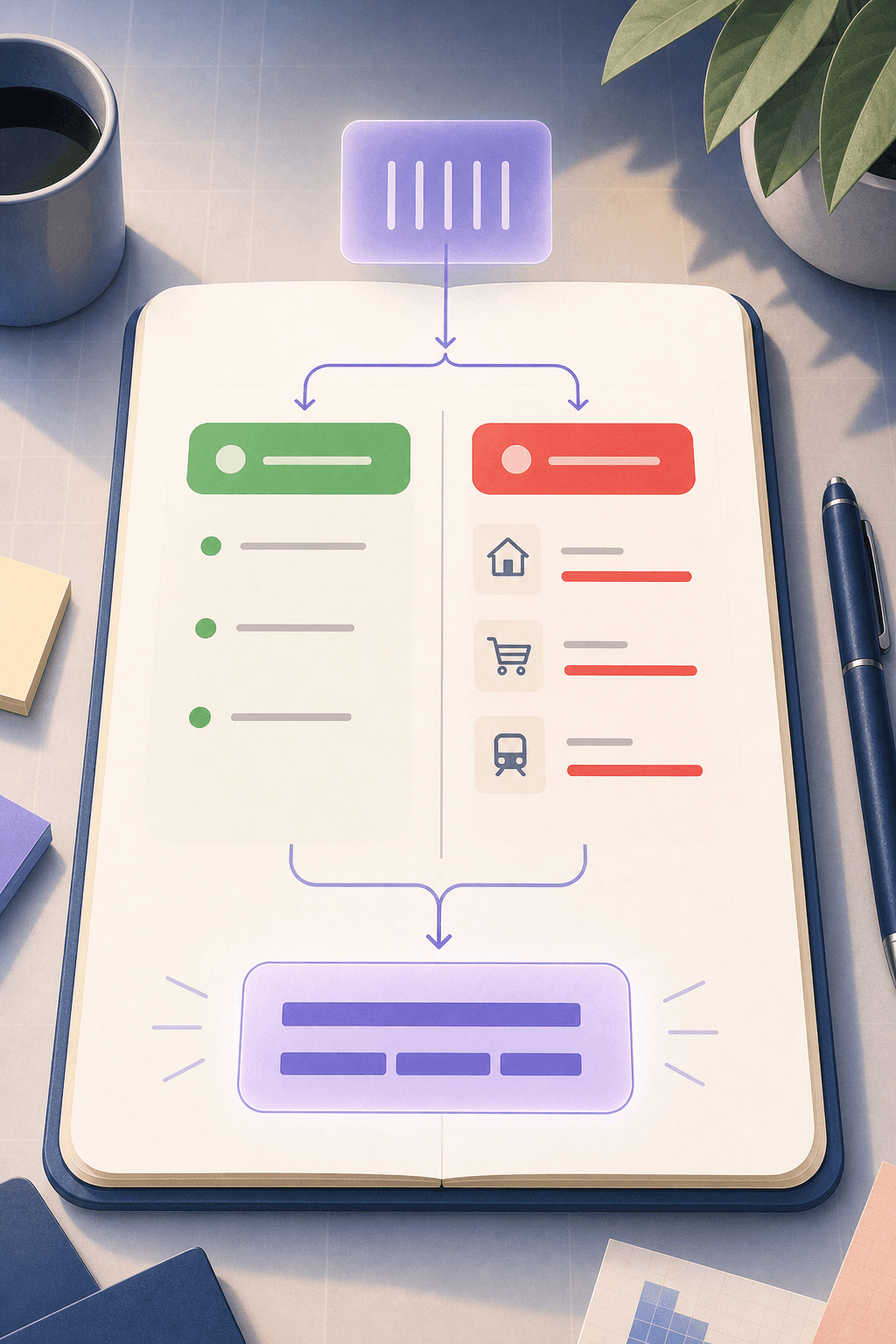
It wasn't complicated. Bank account open. Spreadsheet open. Enter anything that happened the day before. Remove one day from the budget. Look at what is left.
That was the habit.
Set a daily amount
A daily check works best when you know what you can spend each day.
For example, if you can put $5,000 aside for the month, you could divide that by the number of days in the month. In a 31 day month, that gives you about $161 per day.
But you can also work the other way round. If you know you can live on $100 a day, multiply that by 31 days. That means you need $3,100 for the month.
The amount doesn't need to look good to anyone else. It needs to be honest. It gives you a limit for the day.
Update yesterday
The daily check should be quick.
Open your bank account. Look at yesterday. Add any transactions that happened. Update income and outgoings if anything changed. Then look at what is left.
For one bank account, this can take two minutes. It shouldn't become a huge task. If it takes too long, you will avoid it.
The point is to keep the numbers exact. If money came in, enter it. If money went out, enter it. Then the number left is the number you work with.
Watch what rolls over
Checking daily helps because you can see what you didn't spend.
If your daily amount is $100 and you spend $80, the remaining $20 is still yours. It can roll into the next day, stay as a buffer, or go towards savings, debt payments or investments.
That is the point. You see the result while there is still time to do something with it.
The small amounts matter. They show you that the daily choices are changing the month.
Notice the patterns
When the numbers are in front of you every day, patterns become harder to ignore.
You might see subscriptions you don't need. You might see electricity or transport costs creeping up. You might see that eating out, takeaways, coffees or lunches are taking more money than you thought.
That doesn't mean you can never enjoy yourself. It means you can choose what is worth keeping and what needs to go.
That's better than spending first and worrying later.
Keep going when it feels uncomfortable
The first few days can feel rough if the numbers aren't good.
You might feel anxious, embarrassed or frustrated. Face it anyway. Not looking doesn't protect you. It leaves you guessing.
Take it one day at a time. Do the check today. Then do it again tomorrow. After a week, look back and see what changed.
Even a small improvement matters. $10, $50 or $100 is still proof that you're managing instead of guessing.
Don't let one missed day become a habit
If you miss a day, it isn't the end of the world.
But don't let that become the new pattern. The longer you leave it, the more out of sync the numbers become. Then you're back to guessing, catching up and trying to remember what happened.
Just get back into it. Open the account, enter what changed, update what is left, and carry on.
Where ClearLedger fits
ClearLedger is built to make this daily check easier.
You enter what came in, what went out, and what changed. The app shows what is left, without pretending it can manage your money for you.
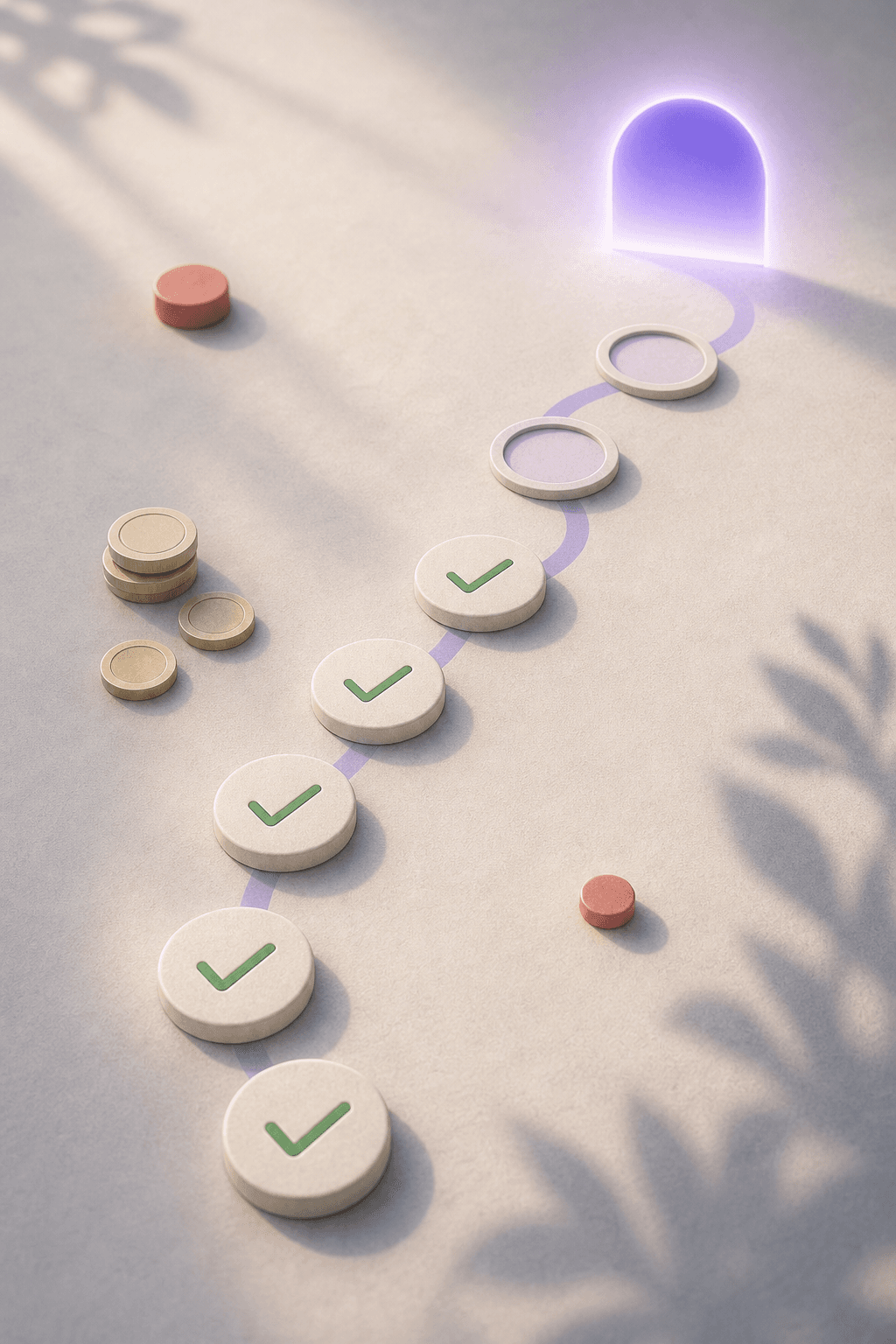
ClearLedger also tracks streaks, because checking your money daily is a habit. The streak shows that you kept showing up. In time, I want to add rewards for people who keep the habit going.
If you are tired of living for payday and watching every penny without a plan, start with one daily check.
Sign in to ClearLedger and start building the habit.
Was this useful?
Your reaction helps improve future articles.